
In-House Pod Trials
Validated before commercialisation
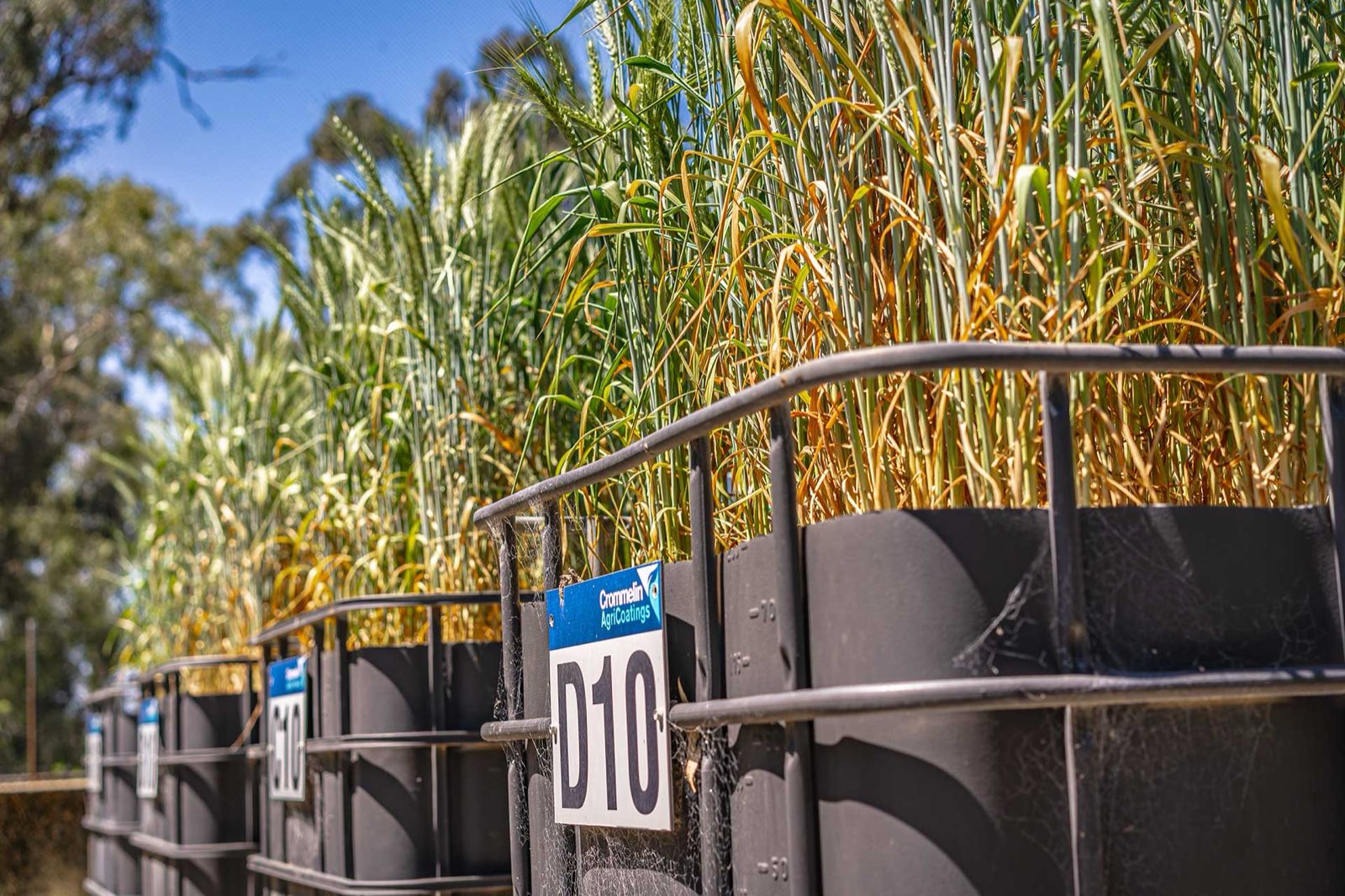
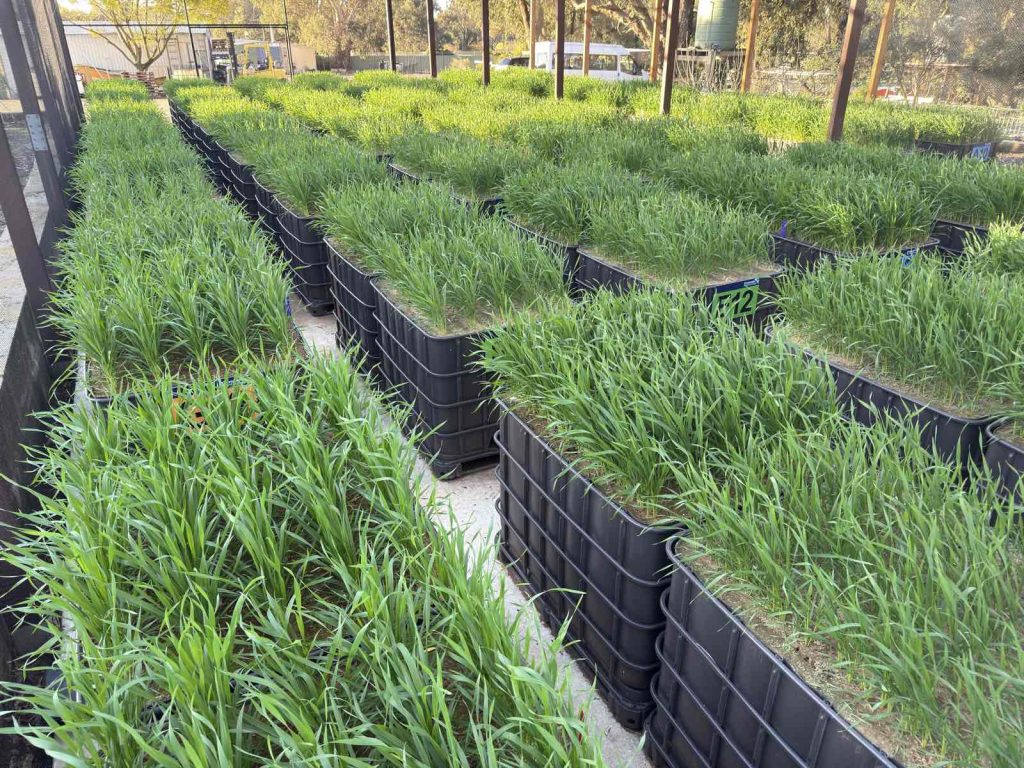
Crommelin AgriCoatings has over 5 years of experience in running IBC pod trials to validate its products before commercialisation. Our current program is looking to develop the next generation of biologically enhanced fertiliser coatings that improve phosphorus (P) use efficiency in Australian cropping systems. This approach aims to improve nutrient availability where it matters most, in the crop rhizosphere.
Phosphorus is one of the most important nutrients for crop establishment and yield, yet only a small proportion of applied phosphorus fertiliser is taken up by crops in the year it is applied. The remainder becomes bound in the soil, reducing fertiliser efficiency and increasing production costs for growers.
Why Fertiliser Coatings?
While biological products are increasingly available as seed treatments, in-furrow applications or foliar sprays, there are currently very few commercially proven technologies that successfully deliver living microorganisms on fertiliser granules while maintaining their viability during storage and handling.
Fertiliser granules provide significantly more surface area than seed, creating valuable “real estate” to carry multiple beneficial components, including:
- Beneficial microorganisms
- Enzymes
- Micronutrients
- Biostimulants
By delivering these components together on the fertiliser granule, we aim to place beneficial biology exactly where developing roots require it, improving nutrient availability and early crop performance.

Our Research
Working with MALDIID Pty Ltd and Innovative Agronomy Services, Crommelin AgriCoatings is undertaking a staged research program that progressively identifies the most effective coating formulations.
The project includes:
- Laboratory screening of biological coating combinations
- Compatibility and shelf-life testing
- Soil efficacy studies
- Controlled wheat IBC pod trials across representative Western Australian soil types
Throughout the project, we are measuring: plant phosphorus uptake, nutrient use efficiency, soil phosphorus availability, crop growth and biomass, root development, microbial soil changes, and grain yield and quality.
This rigorous approach allows us to identify which treatment will have the greatest potential to deliver consistent benefits under Australian growing conditions.
Creating Value for Australian Agriculture
Our vision is to develop fertiliser coatings that help growers produce more grain from every tonne of fertiliser applied. Improving phosphorus use efficiency has the potential to:
- Increase the return on fertiliser investment
- Improve crop establishment and early vigour
- Enhance nutrient availability in challenging soils
- Reduce fertiliser losses to soil fixation
- Support more sustainable nutrient management
Importantly, these technologies are being designed to integrate into existing fertiliser manufacturing and application systems, enabling straightforward adoption by growers without changing current farming practices.

Building the Future of Fertiliser Technology
This project represents an important step towards a new generation of fertiliser coatings that combines advanced materials science with biological innovation. By bringing together expertise in coating technology, microbiology and agronomy, Crommelin AgriCoatings is helping to develop practical solutions that improve nutrient efficiency, strengthen Australian grain production and support the long-term profitability and sustainability of agriculture.

Interested in partnering with us?
Crommelin AgriCoatings welcomes collaboration with fertiliser manufacturers, biological technology developers, researchers and industry partners who share our vision for the future of nutrient delivery. Contact us to learn more about our research and partnership opportunities.